CHAPTER 3: Industrial Symbiosis
3.2. Part 1: Closed-Loop Concept in Industrial Ecology
3.2. Part 1: Closed-Loop Concept in Industrial Ecology
This section discusses the fundamental issue of using linear transformation representations in operations management when striving for environmental sustainability. Linear transformation thinking must evolve into systemic closed-loop thinking, which industrial ecology can help achieve.
This section introduces key concepts in industrial ecology, including biological ecosystems, industrial ecosystems, sub-ecosystems, and their interactions with Earth's ecosystem. Industrial ecology seeks to develop advanced closed-loop industrial ecosystems by mimicking the core principles of biological ecosystems. An industrial ecosystem should aim for high levels of closed-loop material exchanges and efficient energy cascades. System boundaries are defined for study purposes, with broader systems thinking applied as needed.
3.2.1. Linear Transformation Processes
Environmental sustainability is critical for achieving long-term economic and social sustainability. This chapter focuses on industrial ecology, particularly industrial symbiosis, and how they can promote environmental sustainability through closed-loop process representations in operations management.
Humans have significantly impacted the planet, producing goods at a faster rate than ever before, which leads to overuse of natural resources and high waste levels. Despite efforts to mitigate these issues, more substantial interdisciplinary action is required.
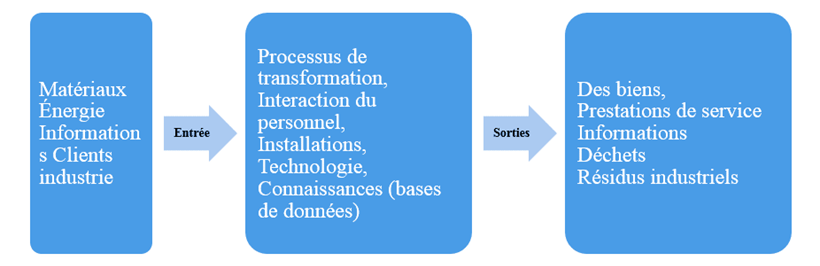
Figure 3.1: Linear transformation process
Operations management traditionally focused on production and delivery processes, must address environmental sustainability. Currently, it mainly considers processes as linear transformations, aiming to improve their efficiency without factoring in resource origins or waste destinations. This linear perspective fails to fully integrate environmental sustainability, despite some progress in recognizing its importance.
Linear transformation processes involve using personnel and facilities to convert raw materials and energy into finished products, with waste or by-products as outputs (Figure 3.1). However, waste and by-products are often overlooked in such analyses, limiting the scope of environmental performance improvement.
3.2.2. Closed-Loop Operations Management Processes
Industrial systems cannot remain viable indefinitely when natural resources become scarce and waste levels surpass the Earth's capacity to process them. To ensure long-term sustainability, industrial activities must contribute to the natural world's sustainability.
Closed-loop systems thinking is necessary. Nearly 30 years ago, Frosch and Gallopoulos introduced the concept of an industrial ecosystem, advocating for closed-loop systems where waste from one process becomes raw material for another.
To scale this idea, industries must collaborate to reduce waste production and increase the reuse, refurbishment, and recycling of waste and post-use products. Designing for environmental compatibility is essential to maximize recycling and reuse potential.
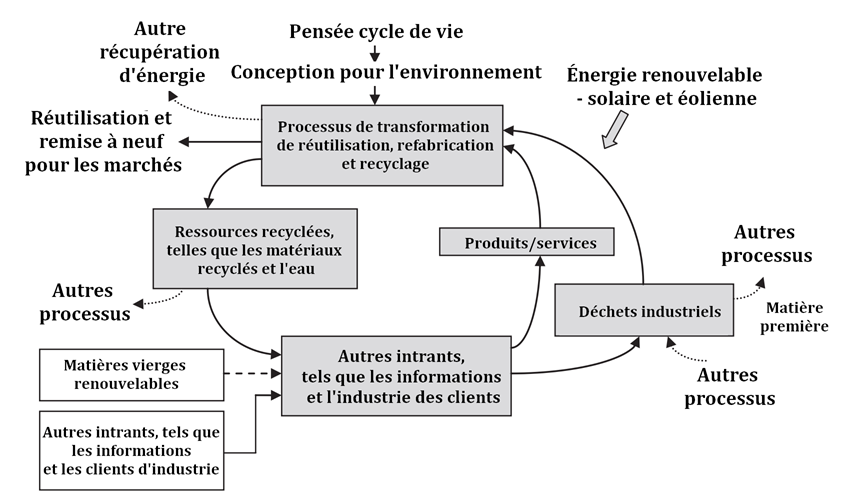
Figure 3.2: Thinking about the closed-loop operations management process
Despite some advancements, the use of recycled materials remains limited, and the adoption of waste-to-resource practices across industries has much room for growth. Closed-loop thinking in operations management can drive decision-making that supports both economic and environmental sustainability (Figure 3.2).
3.2.3. Biological Ecosystems
Biological ecosystems consist of abiotic components (e.g., sunlight, water, soil chemistry) and biotic components (e.g., plants, animals, bacteria). These components interact and transform through material exchanges and energy cascades over time and space (Figure 3.3).
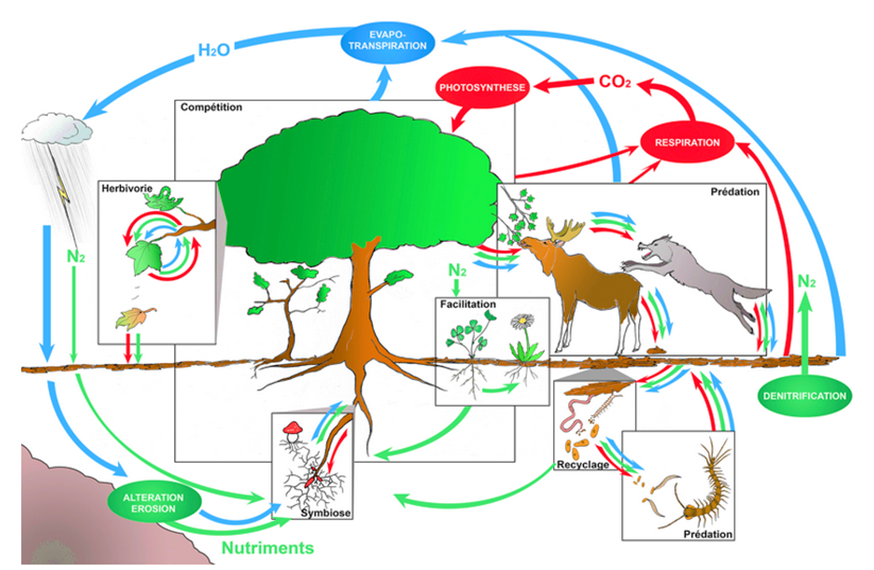
Figure 3.3: Functioning and interactions of ecosystems and symbiosis
Key characteristics of biological ecosystems include:
- Closed-loop material cycling: Earth’s subsystems recycle materials within a nearly closed-loop system.
- Open-system energy flow: Energy flows through subsystems, driven by solar input from the sun.
The boundaries of biological ecosystems are flexible and defined for study purposes. These ecosystems maintain equilibrium when the waste they generate does not exceed their capacity to process it. Similarly, Earth's global ecosystem sustains itself when its waste levels remain within its overall carrying capacity.
3.2.4. Conclusion
Not all industrial systems qualify as industrial ecosystems, and many are far from achieving this status. An industrial ecosystem should strive for a high degree of closed-loop material exchanges, akin to biological ecosystems.
Although 100% closed-loop material exchange is unattainable even in biological sub-ecosystems, industrial systems should continuously improve toward higher levels of closed-loop exchanges. The shift from traditional linear transformation processes to closed-loop systems is essential for enhancing environmental sustainability.
The industrial revolution accelerated production rates, amplifying the limitations of linear transformation processes. The industrial ecosystem concept challenges this traditional view, emphasizing systemic closed-loop material exchanges.
Subsequent sections in this chapter delve into the definitions, development history, and interrelationships of industrial ecology and symbiosis.